It's one of those beauty hacks that sounds just crazy enough to work. You've probably seen it on TikTok, Reddit, or a late-night beauty forum — someone swearing that a squirt of Dawn dish soap transformed their greasy, product-laden hair into something fresh and clean. But is this actually a good idea, or is it a shortcut you'll seriously regret?
Let's break it all down. We'll look at the science, the risks, the rare situations where it might be okay, and the much better alternatives you should probably reach for instead.
Why People Are Reaching for Dawn Dish Soap in the Shower
Dawn dish soap has built a legendary reputation. It cuts through baked-on grease, cleans oily wildlife after oil spills, and powers through the toughest kitchen messes. So it's not entirely surprising that people started wondering: could it do the same thing for my hair?
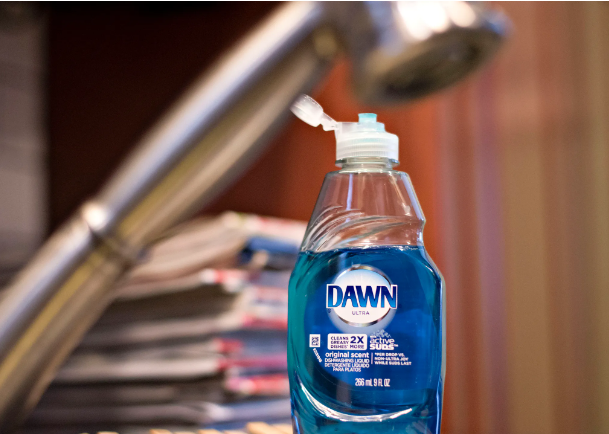
The idea of using dish soap on hair isn't new, but social media has supercharged it. Thousands of posts show people lathering up with the bright blue liquid, claiming it strips away unwanted hair dye, removes months of product buildup, or works as a budget-friendly clarifying wash.
And honestly? The logic makes a certain kind of sense — on the surface. But as we'll see, what works on a greasy pan can wreak havoc on your hair and scalp.
The "Clarifying Wash" Trend Explained
A clarifying wash is a deep-cleansing treatment designed to remove stubborn residue that regular shampoo leaves behind. Think silicones from styling products, mineral deposits from hard water, chlorine from swimming pools, and layers of dry shampoo that have been building up for weeks.
True clarifying shampoos are formulated specifically for this purpose. They're stronger than daily shampoos but still designed with your hair and scalp in mind. Dawn's powerful grease-cutting ability makes it seem like an obvious substitute — but it's really more like using a sledgehammer when you need a screwdriver.
Common Scenarios That Lead People to Try It
People typically reach for Dawn in a few specific situations:
Removing unwanted hair dye: A box dye gone wrong can feel like an emergency. Many people search for ways to use dish soap to strip hair color as a fast, at-home fix.
Eliminating heavy product buildup: If your hair feels waxy, weighed down, or coated despite regular washing, the nuclear option starts to look tempting.
Post-swimming cleanup: Chlorine can leave hair feeling stiff and discolored. Some swimmers turn to Dawn as a heavy-duty rinse.
Removing oily substances: Accidentally got cooking oil, motor grease, or a petroleum-based product in your hair? Dawn seems like the obvious answer.
Each of these situations has a real, legitimate need behind it. The problem isn't the goal — it's the tool being chosen to accomplish it.
What's Actually Inside Dawn Dish Soap?
To understand why a dawn dish soap hair wash is risky, you need to know what you're actually putting on your head. Dawn isn't just "soap and water." It's a carefully engineered cocktail of chemicals designed to dissolve fats and grease on hard, non-porous surfaces like ceramic and glass.
Key ingredients typically include sodium lauryl sulfate (SLS), sodium laureth sulfate (SLES), various cleaning agents, synthetic fragrances, blue dye, and preservatives. These are perfectly safe for washing dishes. Your hair, however, is not a dish.
Surfactants in Dish Soap vs. Shampoo — A Critical Difference
Surfactants are the cleaning agents that lift dirt and oil from surfaces. Both Dawn and shampoos contain them. But the concentration and formulation couldn't be more different.
Shampoos — even clarifying ones — typically contain surfactants at lower concentrations, balanced with conditioning agents, moisturizers, and pH adjusters that keep the formula compatible with human hair and skin. Most shampoos sit at a pH between 4.5 and 6.5, which is close to your scalp's natural pH.

Dawn dish soap, on the other hand, has a pH that's significantly more alkaline — often between 8 and 9. This matters enormously because alkaline solutions raise the hair cuticle, making strands rough, porous, and vulnerable to breakage. The surfactant concentration is also much higher, designed to cut industrial-level grease rather than the modest amount of sebum on a human scalp.
Ingredients That Can Cause Harm to Hair and Scalp
Beyond the surfactants, several other components in Dawn can cause problems:
Synthetic fragrances: These can irritate sensitive scalps and trigger contact dermatitis in some people.
Artificial dyes: That signature blue color serves zero purpose on your hair and adds unnecessary chemical exposure to your skin.
Preservatives and stabilizers: Formulated for shelf stability of a kitchen product, not for compatibility with living tissue like your scalp.
The bottom line is that every ingredient in Dawn was chosen to optimize dish cleaning performance. Not a single one was selected with your hair's health in mind.
Does Dawn Dish Soap Actually Strip Hair Color?
This is arguably the number one reason people try it. You Googled "how to remove bad hair dye at home," and somewhere in the results, someone told you Dawn would do the trick. So let's talk about whether it actually works.
The short answer: sort of. The longer answer is much more complicated.
Dawn's aggressive surfactants can indeed fade semi-permanent and demi-permanent hair color. These dye types sit on or near the surface of the hair shaft, so a powerful detergent can partially wash them out. For permanent hair color, which penetrates deeper into the cortex, Dawn is far less effective. It might lighten the shade slightly, but it won't truly "strip" the color.
How Effective Is It Compared to Color-Removing Products?
Dedicated color removers work by shrinking the dye molecules inside the hair shaft so they can be rinsed away. Vitamin C treatments create a mild acid that helps lift color from the surface. Both of these methods are more targeted and more effective than dish soap.
When people attempt using dish soap on hair to remove color, the results are typically uneven. You might end up with patchy fading — lighter in some spots, stubbornly holding on in others. Professional color-removal products deliver far more consistent results because they're literally designed for this exact purpose.
The Hidden Cost of Using Dish Soap to Strip Hair Color
Here's the part that many viral posts conveniently leave out: even if Dawn fades your color somewhat, the collateral damage can be severe.
Licensed cosmetologists consistently warn that the trade-off isn't worth it. You might lose some unwanted color, but you'll also lose essential moisture, natural oils, and structural integrity. Color-treated hair is already more porous and fragile than virgin hair. Hitting it with an industrial-strength detergent is like pouring gasoline on a fire.
Professional insight: "I've had clients come into the salon after trying dish soap at home, and the damage is immediately visible — dry, straw-like texture, breakage at the ends, and a scalp that's red and irritated. We then have to spend multiple sessions repairing what could have been avoided entirely." — Licensed cosmetologist perspective commonly shared in professional hair care communities.
Dawn Soap and Hair Damage — What Really Happens
Let's get specific about what happens when you wash your hair with Dawn dish soap. Understanding the actual damage can help you make a more informed decision.
Dawn soap hair damage isn't a myth or an exaggeration. It's a predictable outcome based on basic chemistry. When you apply a high-pH, high-surfactant formula to your hair, you're stripping away the protective lipid layer that keeps strands smooth, strong, and hydrated.
Short-Term Effects After One Wash
Even a single wash with Dawn can produce noticeable changes. Most people report the following immediately after:
A "squeaky clean" feeling: This isn't a good sign. That squeakiness means your hair has been stripped of virtually all its natural oils.
Extreme dryness: Hair feels rough, stiff, and almost crunchy to the touch.
Severe tangling: With the cuticle raised and roughened, strands catch on each other, leading to painful detangling and breakage.
Dull, lifeless appearance: Without its natural oil coating, hair loses all shine and looks flat.
For some people with very resilient, oily, thick hair, these effects may be mild and temporary. For others, a single wash can trigger noticeable damage.
Long-Term Risks of Repeated Use
If one wash is bad, repeated use is significantly worse. Here's what can happen over time when someone regularly uses Dawn on their hair:
Chronic dryness: The hair loses its ability to retain moisture as the cuticle becomes permanently roughened.
Increased porosity: Hair becomes overly porous, absorbing water too quickly and losing it just as fast. This creates a cycle of frizz and brittleness.
Weakened hair shaft: Protein bonds in the cortex can be compromised, leading to stretchy, limp strands that break easily.
Scalp dermatitis: The harsh formula can disrupt your scalp's microbiome, leading to itching, flaking, redness, and even infections.
Hair thinning: Excessive breakage near the root combined with a compromised scalp environment can make hair appear noticeably thinner.
Who Is Most at Risk?
Not all hair types are equally vulnerable, but some groups face significantly higher risks:
Color-treated hair: Already compromised from chemical processing. Dawn accelerates existing damage dramatically.
Curly and coily textures (Type 3 and 4 hair): These hair types are naturally drier because sebum has a harder time traveling down the spiral-shaped shaft. Stripping what little oil exists can be devastating.
Fine or thin hair: Less structural resilience means faster, more visible damage.
Anyone with a sensitive or dry scalp: Dawn can trigger or worsen conditions like eczema, psoriasis, and seborrheic dermatitis.
Chemically treated hair: Permed, relaxed, or keratin-treated hair is already structurally altered and extremely vulnerable.
When Dawn Dish Soap Might Be Acceptable (With Caution)
In the interest of being fair and balanced, there are a handful of rare scenarios where a very small amount of Dawn could serve a purpose. We're talking genuine emergencies, not regular hair care.
If you've gotten a petroleum-based substance, heavy grease, tar, or a massive amount of silicone-based product stuck in your hair, and nothing else is working, a heavily diluted amount of Dawn might help. Think of it as a last resort, not a routine.
How to Minimize Damage If You Decide to Use It
If you're going to do it regardless of the warnings, here's how to reduce the fallout:
Dilute heavily: Mix a few drops of Dawn into a full cup of water. Never apply it directly from the bottle.
Limit to one wash only: Do not repeat. One application, one rinse, done.
Avoid the scalp: Focus only on the mid-lengths and ends where the buildup or substance actually is.
Rinse thoroughly: Spend extra time rinsing to ensure no residue remains.
Deep condition immediately: Follow with the most intensive deep conditioning treatment you own. Leave it on for at least 15-20 minutes.
Never use on already-damaged hair: If your hair is bleached, chemically treated, or already dry and brittle, skip this entirely.
Better Alternatives to Dawn Dish Soap for Your Hair
Here's the good news: whatever you're trying to accomplish with Dawn, there's a better product for the job. Every single time.
Clarifying Shampoos Worth Trying
Clarifying hair with dish soap is unnecessary when purpose-built products exist. Clarifying shampoos are formulated to deep-clean without destroying your hair's moisture balance.
Drugstore options: Neutrogena Anti-Residue Shampoo, Suave Daily Clarifying Shampoo, and VO5 Kiwi Lime Squeeze Clarifying Shampoo are all affordable and widely available.
Mid-range picks: Paul Mitchell Shampoo Three and Kenra Clarifying Shampoo offer salon-quality results.
Gentle alternatives: If you want clarifying power without sulfates, brands like Malibu C and Ouai offer gentler formulas that still remove buildup effectively.
These products typically cost between $5 and $25 and are designed to be used once a week or a few times a month. They're pH-balanced, include conditioning agents, and won't leave your hair feeling like straw.
Natural DIY Clarifying Treatments
Prefer something you can make at home? These options are gentler than dish soap and surprisingly effective:
Apple cider vinegar rinse: Mix one part ACV with three parts water. Pour over hair after shampooing, leave for 2-3 minutes, then rinse. This removes buildup while helping to close the cuticle and restore shine.
Baking soda paste (use sparingly): Mix a tablespoon of baking soda with water to form a paste. Apply to the scalp and roots, massage gently, and rinse. Note: baking soda is alkaline, so don't use this frequently — once a month maximum, and always follow with a conditioner or ACV rinse.
Chelating treatments: If hard water is your main problem, look for chelating shampoos or at-home treatments that specifically target mineral deposits. These are far more effective than any dish soap for this particular issue.
Professional Color Removal Options
If you're trying to get rid of unwanted hair color, please consider these options before reaching for the Dawn:
Color Oops or similar kits: These over-the-counter color removers shrink dye molecules so they can be washed out. They're formulated for hair and significantly less damaging than dish soap.
Vitamin C treatment: Crush vitamin C tablets, mix with a clarifying shampoo, apply to damp hair, cover with a shower cap for an hour, and rinse. This can fade semi-permanent color gently.
Professional correction: For permanent dye disasters, a salon visit is your safest bet. Colorists have access to professional-grade removers and the expertise to minimize damage during the process.
What Hair Care Experts and Dermatologists Say
The professional consensus on using Dawn dish soap as a hair cleanser is clear and nearly unanimous: don't do it.
Trichologists — specialists who study hair and scalp health — point out that dish soap disrupts the scalp's acid mantle, which is the thin, slightly acidic film that protects against bacteria, fungi, and environmental irritants. Once that barrier is compromised, your scalp becomes vulnerable to a range of problems.
Dermatologists echo these concerns. The American Academy of Dermatology has consistently recommended using products specifically formulated for hair and scalp. Using a product designed for dishware can trigger irritant contact dermatitis, characterized by redness, itching, and scaling.
Licensed cosmetologists who see the aftermath in their salon chairs are often the most vocal opponents. They regularly describe clients arriving with hair that's been severely dried out, broken off, or rendered virtually unmanageable after a dawn dish soap hair wash gone wrong.
The bottom line from experts across every relevant field: there is no scenario where Dawn is the best choice for your hair. Better options always exist.
Frequently Asked Questions (FAQ)
Can I use Dawn dish soap on my hair once without causing damage?
A single use is unlikely to cause permanent damage for most healthy hair types. However, you will almost certainly notice significant dryness, roughness, and tangling. If you do use it once, follow up immediately with a deep conditioning treatment and avoid heat styling for several days. People with already-dry, color-treated, or chemically processed hair may experience more noticeable and longer-lasting effects even from a single wash.
Does Dawn dish soap remove lice?
This is a persistent myth. While Dawn may help loosen some nits (lice eggs) from the hair shaft due to its slippery texture when lathered, it does not kill lice. Lice are parasites that require either specialized medicated treatments (like permethrin-based products) or thorough manual removal with a fine-toothed nit comb. Relying on Dawn for lice treatment can allow an infestation to worsen. Consult a healthcare provider or pharmacist for effective lice treatment options.
Is Dawn dish soap safe for colored hair?
No. Using dish soap on color-treated hair is one of the riskiest combinations. It can fade color unpredictably, leaving you with patchy, uneven results. Beyond the color loss, it strips away the moisture that color-treated hair desperately needs, leaving strands looking dull,feeling brittle, and prone to breakage. If you need to adjust your hair color, use a dedicated color remover or visit a professional stylist for a correction service.
How does washing hair with dish soap compare to using clarifying shampoo?
The difference is significant. Clarifying shampoos are specifically pH-balanced for hair and scalp, typically falling between 4.5 and 6.5 on the pH scale. They contain surfactants strong enough to remove buildup but are paired with conditioning agents and moisturizers that protect your hair during the cleansing process. Dawn dish soap, by contrast, has a much higher pH, far more concentrated surfactants, and zero conditioning or protective ingredients. Think of it this way: a clarifying shampoo is a controlled deep clean, while dish soap is an uncontrolled chemical assault on your hair.
Can Dawn dish soap help with an oily scalp?
While Dawn will absolutely remove oil from your scalp — aggressively so — this approach almost always backfires. Your scalp produces sebum as a natural protective mechanism. When you strip it all away with a harsh detergent, your sebaceous glands go into overdrive, producing even more oil to compensate. This creates a frustrating cycle where your scalp feels greasier than ever within a day or two. Additionally, the irritation caused by dish soap can trigger flaking and inflammation, compounding the problem. A gentle, balancing shampoo designed for oily scalps will regulate oil production far more effectively over time.
What should I do if Dawn dish soap damaged my hair?
If you've already used Dawn and your hair is paying the price, don't panic. Here's a recovery plan:
Switch to a sulfate-free shampoo immediately: Your hair needs the gentlest possible cleansing while it recovers. Look for formulas labeled "moisturizing" or "for damaged hair."
Use a protein treatment: Products containing hydrolyzed keratin or wheat protein can help temporarily repair and strengthen the weakened hair shaft. Use once a week for 2-3 weeks.
Deep condition regularly: Apply a rich deep conditioning mask at least once or twice a week. Look for ingredients like shea butter, argan oil, coconut oil, and ceramides.
Trim damaged ends: If the ends are splitting or snapping off, a trim will prevent the damage from traveling further up the hair shaft.
Avoid heat styling: Give your hair a break from blow dryers, flat irons, and curling wands for at least two weeks while it recovers.
Be patient: Hair recovery takes time. Depending on the severity of the damage, it may take several weeks of consistent care before your hair feels normal again.
If the damage is severe — significant breakage, scalp irritation that doesn't resolve within a few days, or ongoing dryness despite treatment — consider visiting a professional stylist or dermatologist for personalized guidance.